
Industrial Dry Ice Cleaning Results You Can Measure
Each story outlines the challenge, the PureBLAST approach, and the operational gains. Scan the highlights or jump to the details.
What you get
- Fast scan of metrics and ROI signals.
- Clear breakdown: Challenge → Approach → Outcomes.
- Real applications across manufacturing, remediation, and metals.
Case Studies
Short, scannable narratives with measurable outcomes and equipment-safe cleaning methods.
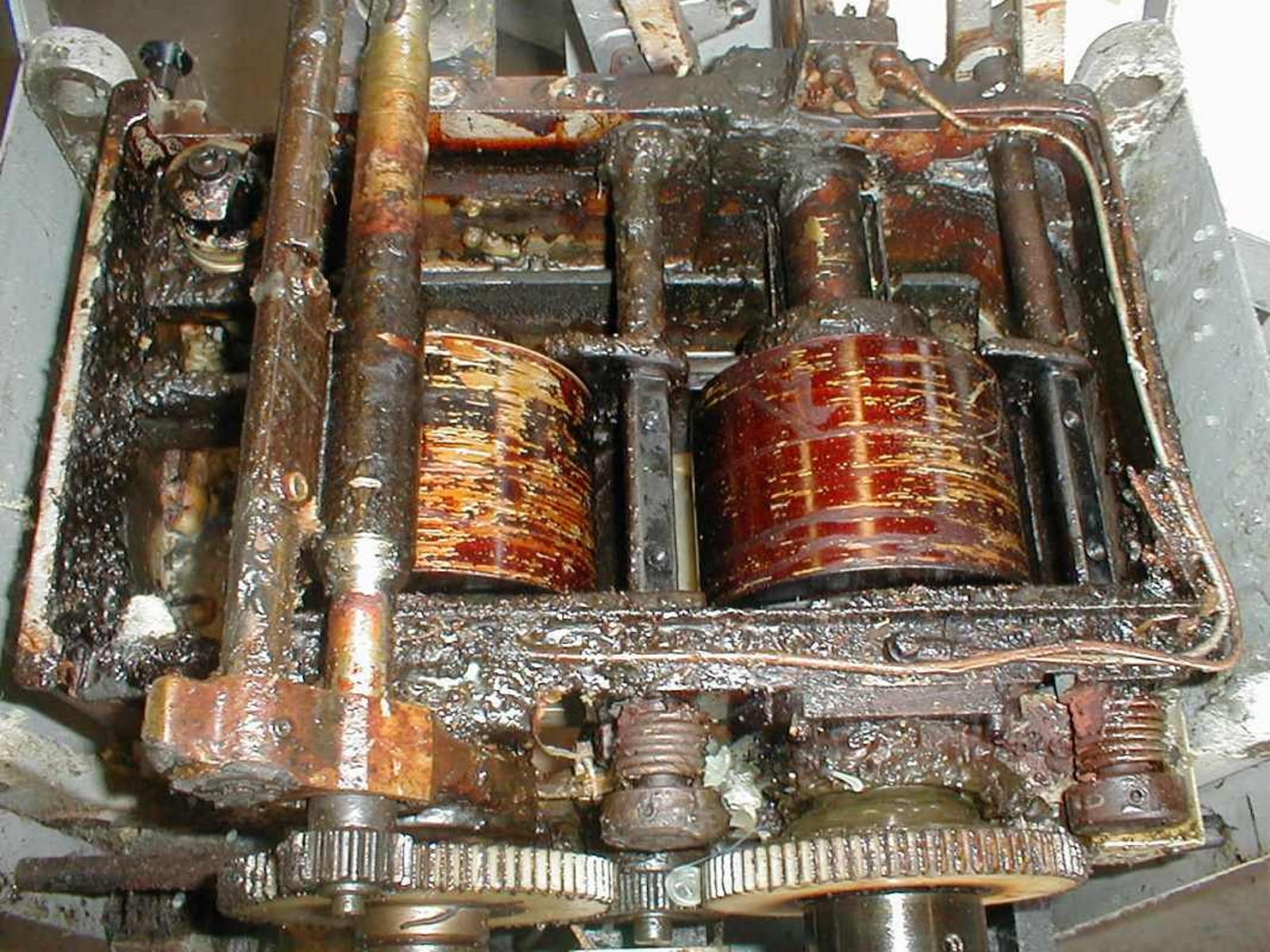
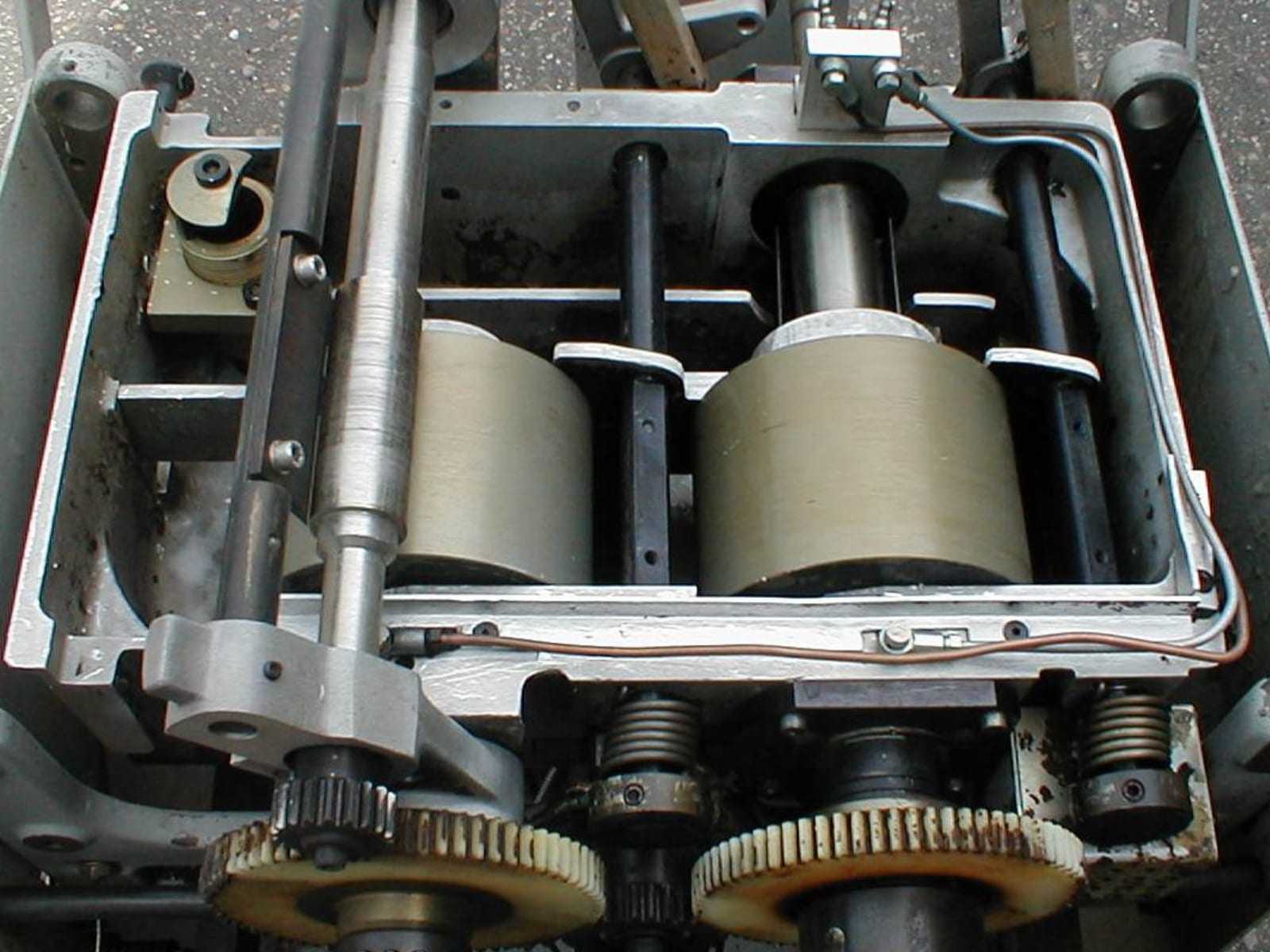
Glue coating machine adhesive removal
This glue coater was getting hit with a classic problem. Adhesive overspray and dust had built up for so long that routine cleaning turned into a shutdown event. The line was losing time, the build up was affecting consistency, and scraping was starting to feel risky around seals and wiring. DryIceN cleaned it with dry ice blasting so the machine could be cleaned in place without water or solvents and without turning the job into a full teardown.
Challenge
- Glue and dust baked onto frames, guards, and mounting points until it felt like concrete
- Scraping and solvent wiping took forever and still left material packed into corners and recesses
- Tight areas around wiring, brackets, and fasteners were hard to reach and easy to miss
- The longer it sat, the harder it got, and the next cleaning got worse every time
Approach
- Walked the equipment first and identified what needed to stay protected such as sensors, seals, wiring runs, and bearings
- Used dry ice blasting to break the bond and lift the adhesive without water and without leaving grit behind
- Focused on the spots that actually cause problems in production like glue path build up points, mounting faces, and guarded pockets
- Finished with a quick detail pass in the areas that usually get skipped so the next clean does not start from behind
- Recommended shorter, more frequent cleans before the glue hardens to keep shutdowns predictable
Outcomes
- The machine was cleaned back to a usable state without a full disassembly
- The job avoided solvents and messy waste streams so cleanup and disposal stayed simple
- Maintenance could finally see fasteners and wear points again instead of guessing under layers of buildup
- A realistic cleaning cadence became possible so the line is not waiting for a crisis to clean
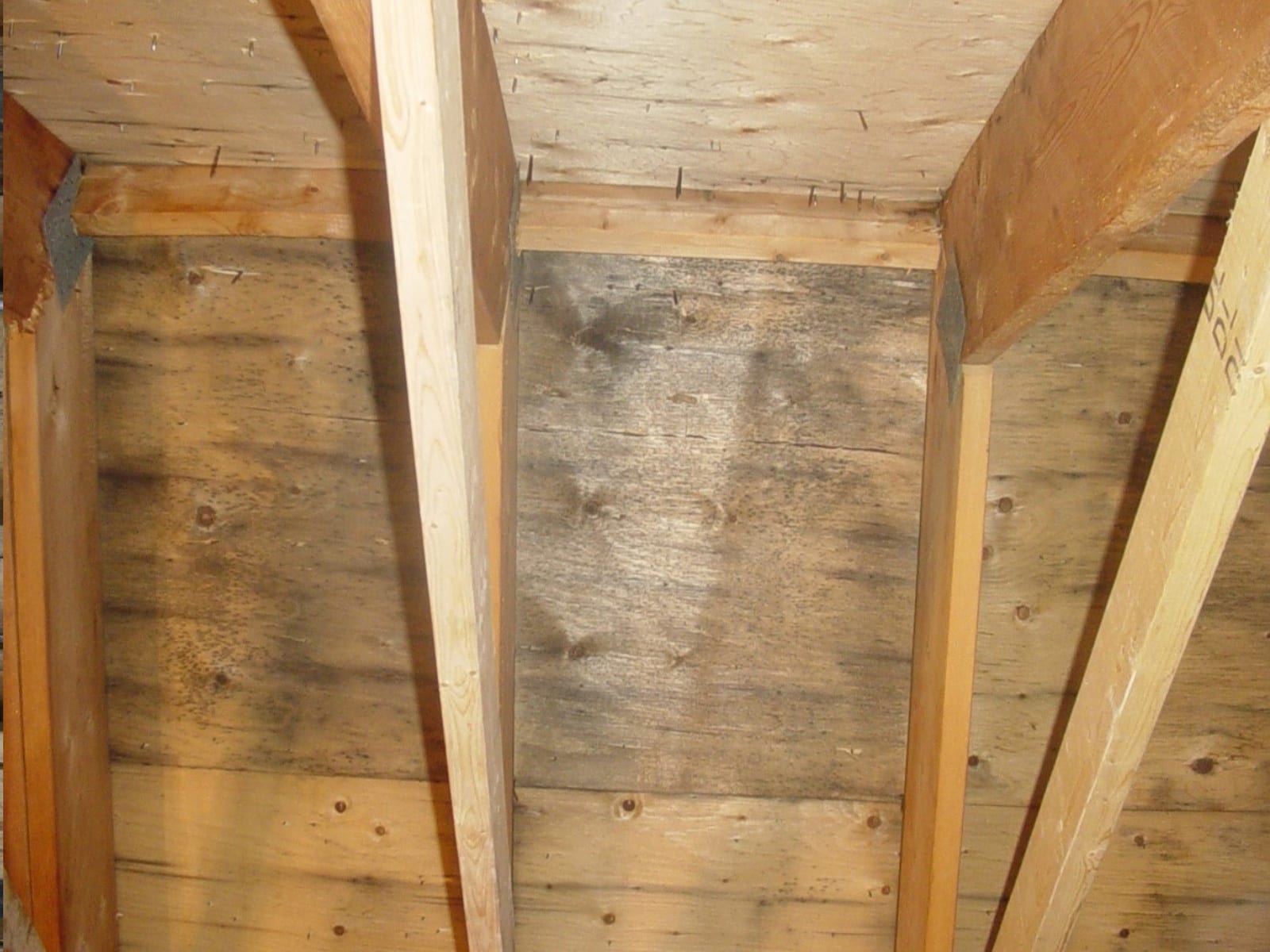
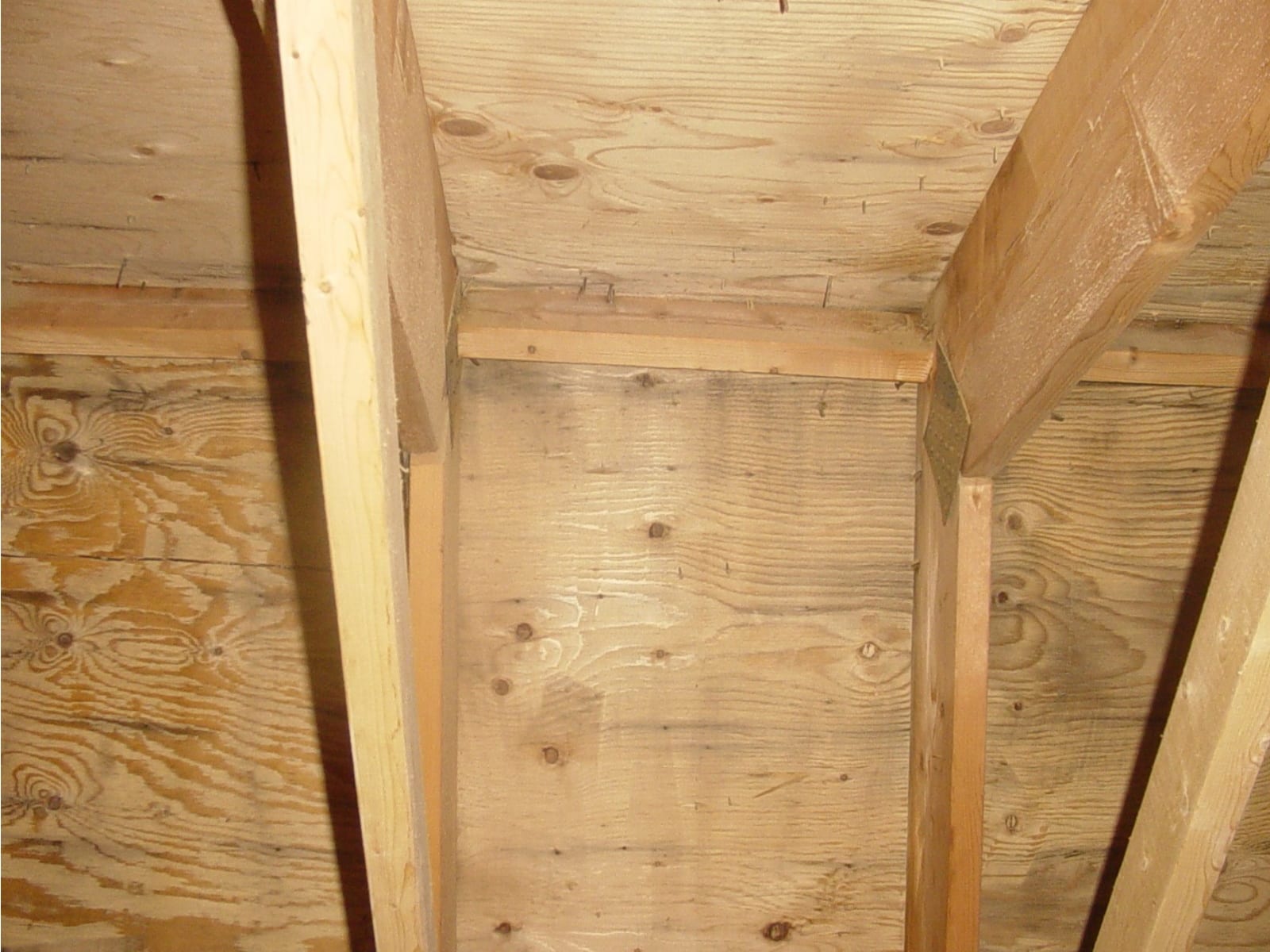
Attic mold cleanup for multi unit townhomes
A townhouse community found widespread attic mold on rafters and roof decking. They needed a method that cleaned the wood without soaking it and without dragging a huge mess through occupied units. DryIceN used dry ice blasting for mold remediation to remove surface growth from wood framing and leave the area dry and ready for sealing and prevention work.
Challenge
- Mold growth across rafters and roof decking tied to ventilation issues and trapped moisture
- Wet methods risked adding moisture back into the wood and slowing the project down
- Aggressive abrasion can chew up wood fibers and create more cleanup than necessary
- Work had to be scheduled across multiple units without making residents miserable
Approach
- Planned access and work zones so the job stayed contained and predictable for residents
- Used dry ice blasting to lift surface mold without saturating the wood
- Paired blasting with cleanup practices that keep loosened material under control in tight attic spaces
- Sequenced the work by buildings and zones so crews could move efficiently without rework
- Left surfaces dry and ready for sealing and for fixing the root cause like vent routing and insulation improvements
Outcomes
- Wood surfaces were cleaned without introducing water which helped the project move faster
- Minimal secondary waste compared to media blasting since there is no grit left behind
- Less disruption for residents because the work moved in a planned sequence instead of dragging on
- A clean substrate was created for the next steps that actually prevent recurrence
Printing press cleaning to reduce grime and downtime
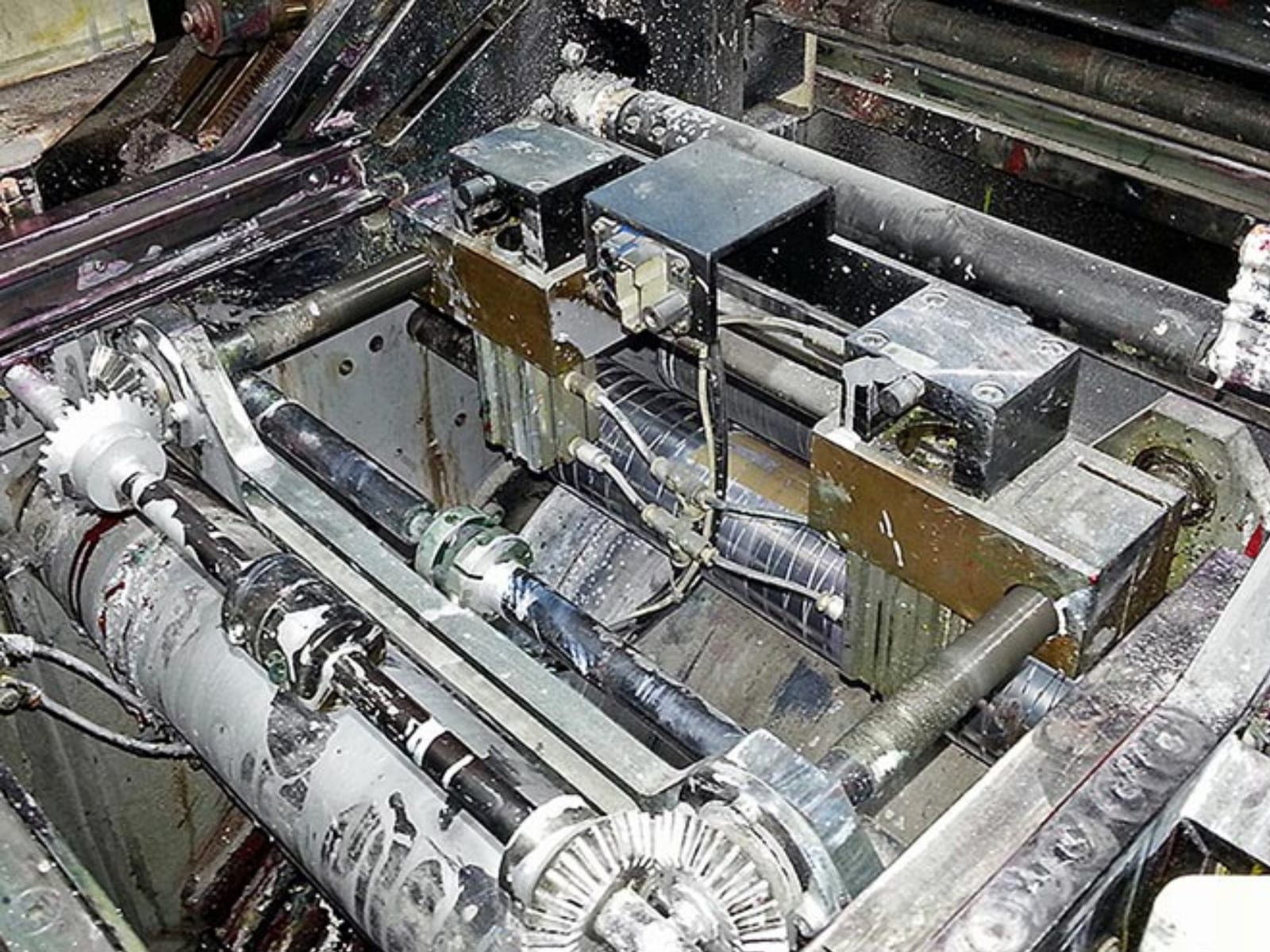
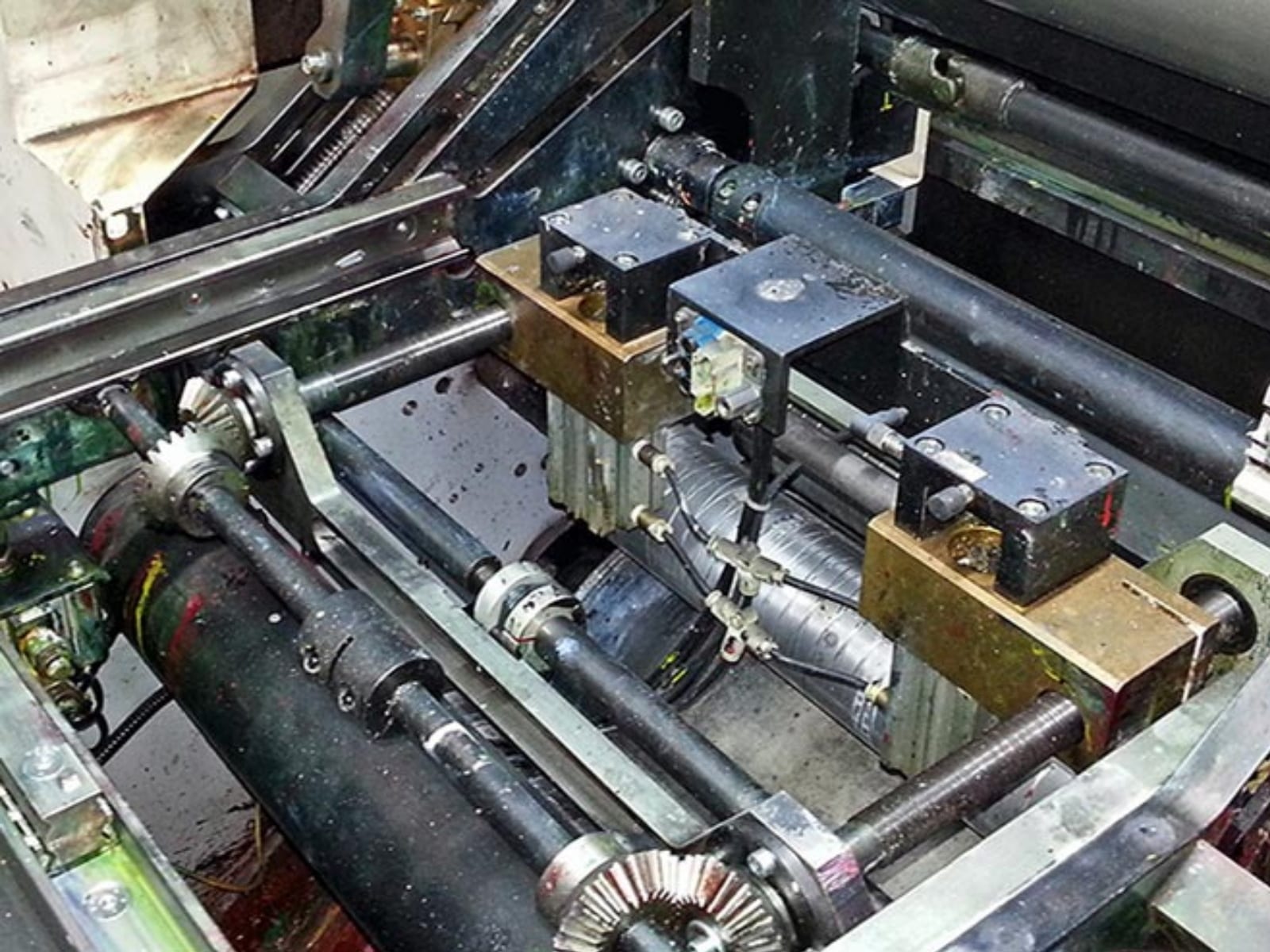
This press was fighting the usual mix of ink film, grease, and paper dust that creeps into every corner. Hand cleaning worked but it ate up time and the results were inconsistent, especially around guards and recessed areas. DryIceN used dry ice blasting to clean the press in place without water and with less reliance on solvents so the team could get back to production faster.
Challenge
- Ink mist and grease collected on frames, guards, and hardware until it became a sticky grime layer
- Manual wipe downs left residue in corners, behind guards, and around fasteners
- Solvents created odor, handling concerns, and extra cleanup time
- The press needed a repeatable cleaning approach that could fit around production schedules
Approach
- Reviewed the press layout and protected sensitive areas where needed
- Used dry ice blasting to lift film and grime without introducing moisture
- Targeted the grime traps first like edges, corners, bolt heads, and channels
- Kept the work focused on functional cleanliness so the press is easier to maintain and inspect
- Suggested a maintenance cleaning cadence that keeps buildup from turning into a shutdown project
Outcomes
- Cleaning became faster and more consistent compared to heavy solvent wipe downs
- The press area stayed cleaner because grime was removed from the places that usually get ignored
- Solvent use dropped which simplified the job for the crew
- Maintenance inspections got easier because the equipment was not buried under residue
Galvanized steel fixture cleaning without damaging the coating
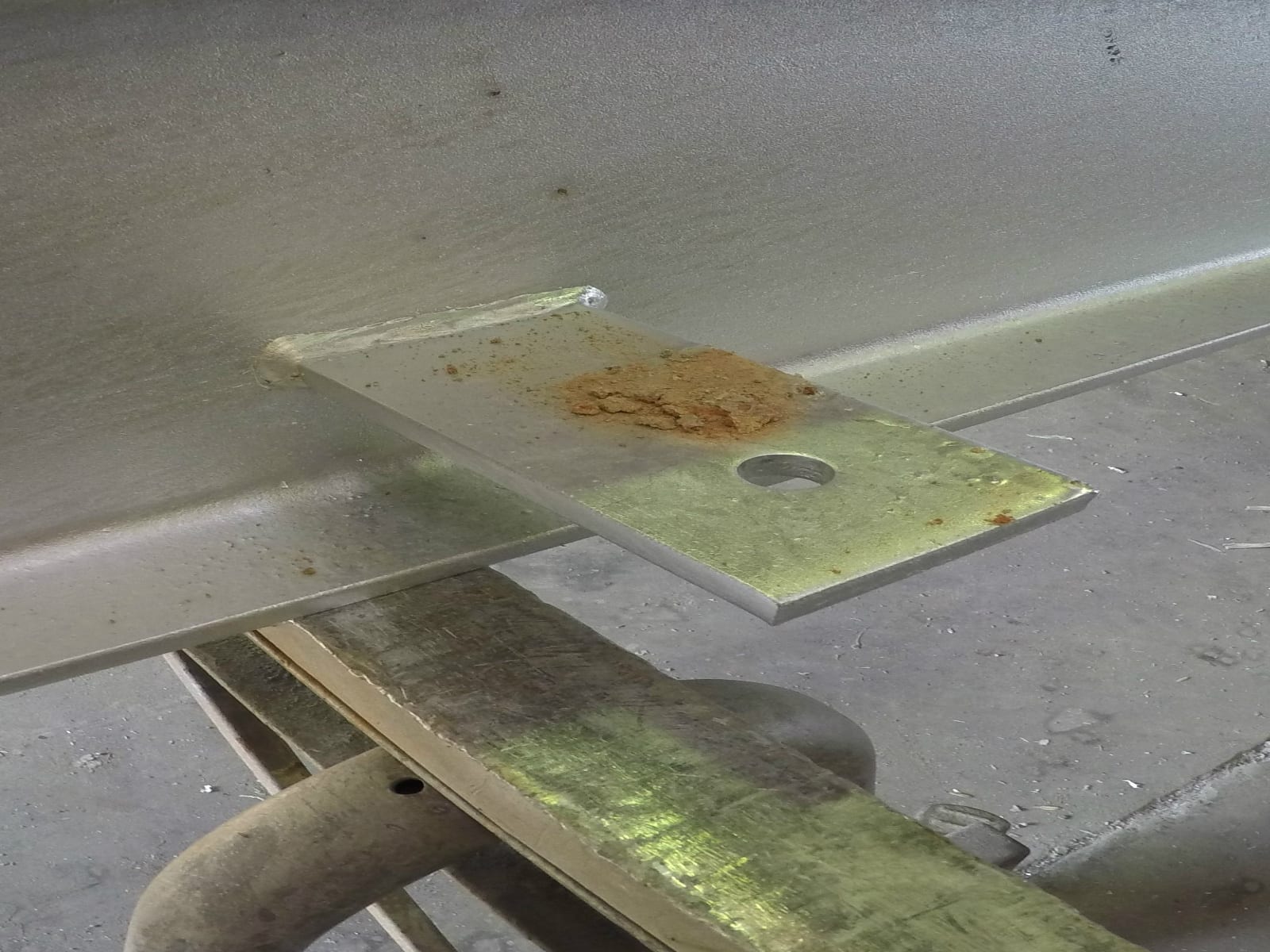
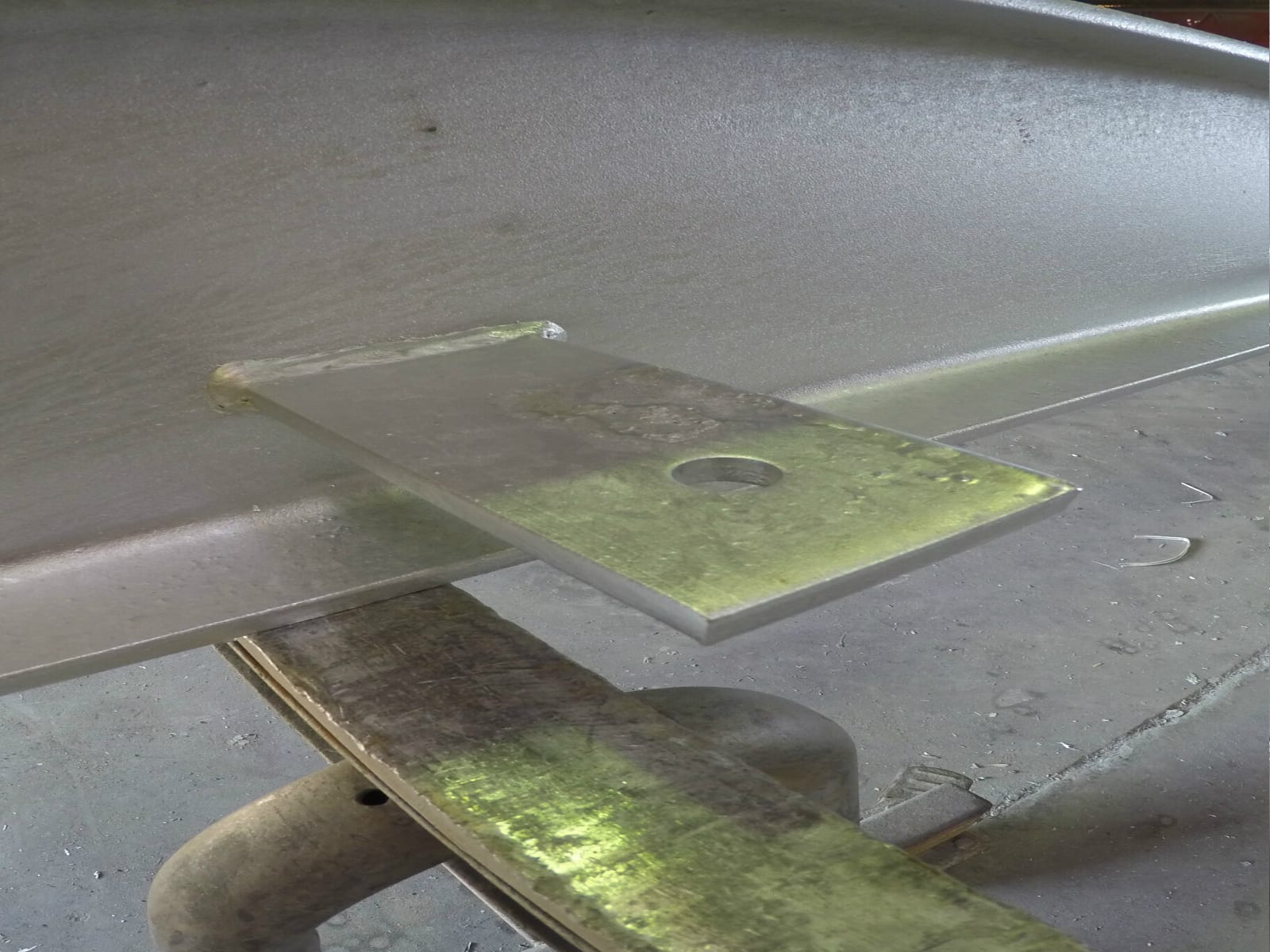
These galvanized fixtures needed to be cleaned and brought back without chewing up the protective zinc layer. Brushing and aggressive abrasion were not a great fit, and wet methods slowed everything down. DryIceN used dry ice blasting to remove surface contamination while keeping the process dry and leaving no blasting media behind.
Challenge
- Oxidation film and grime were affecting consistency and handling downstream
- Mechanical abrasion risked thinning the zinc coating and creating debris
- Wet cleaning introduced moisture and delayed return to service
- Traditional media blasting creates a secondary waste stream that slows cleanup
Approach
- Selected dry ice blasting to avoid abrasive media that could compromise the galvanized surface
- Kept the process dry so parts could be handled quickly without waiting on dry time
- Used controlled passes and stand off distance to prioritize contamination removal over surface profiling
- Focused on crevices and edges where buildup tends to hide like welds, brackets, and mounting points
- Finished with a quick inspection and touch up pass as needed
Outcomes
- Fixtures were cleaned without leaving blast media behind
- The protective nature of the galvanized surface was preserved by avoiding aggressive abrasion
- Cleanup time dropped because there was no grit to contain and dispose of
- Turnaround improved so fixtures returned to service faster
Explore More Resources
See videos and downloadable leaflets, or contact our team to evaluate your specific application.