70–90 %
Less manual scraping time
Industry
Remove zinc ash fast—preserve coating integrity
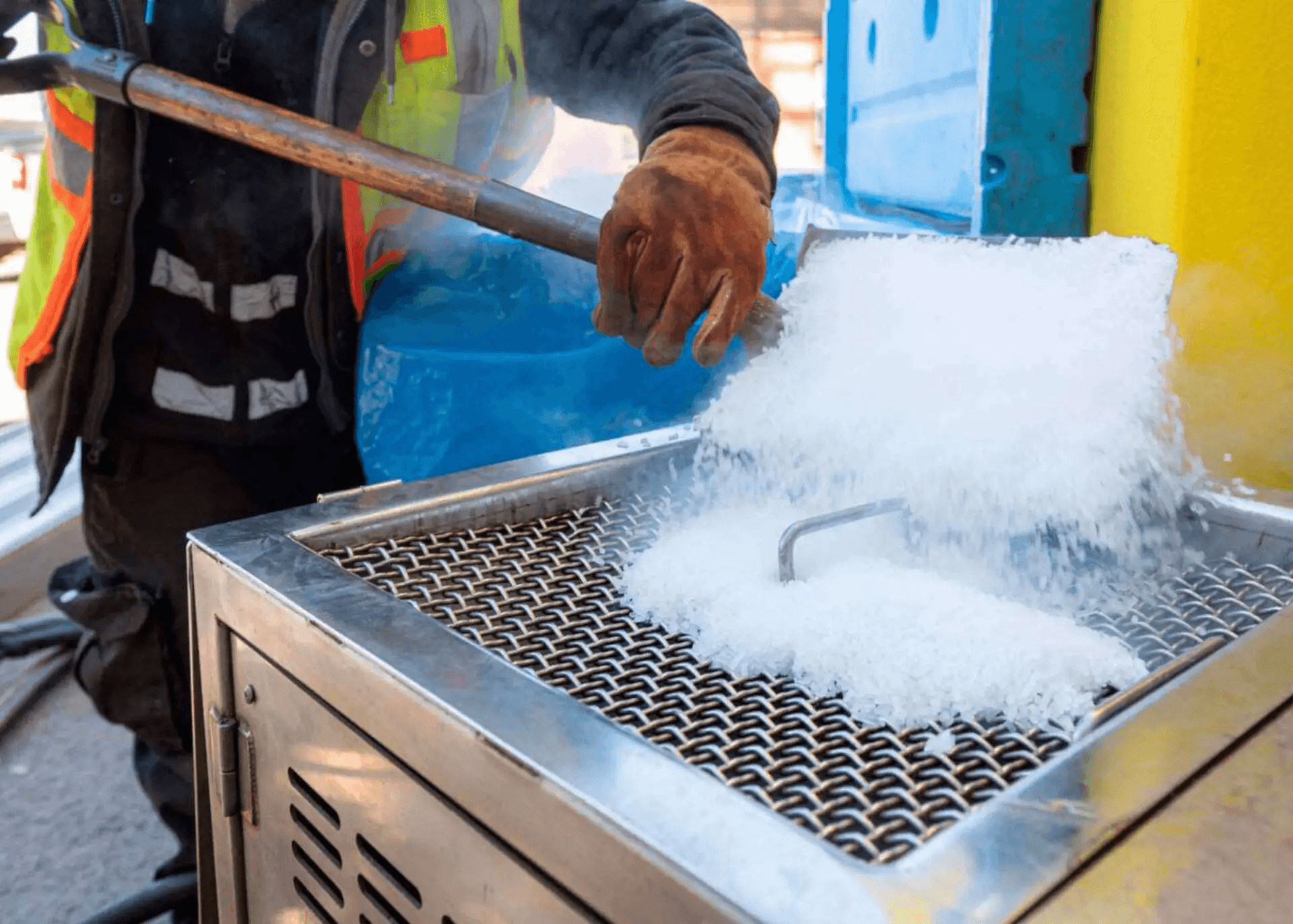
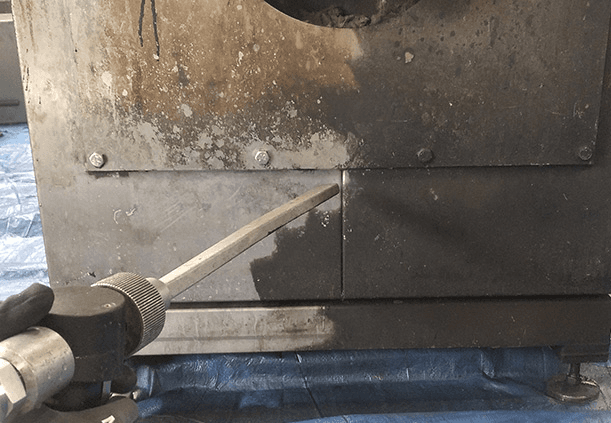
Post-dip ash and dross cling to parts and fixtures. Hand scraping is slow and risks gouging the zinc layer; wet blasting on hot steel invites corrosion and slippery floors.
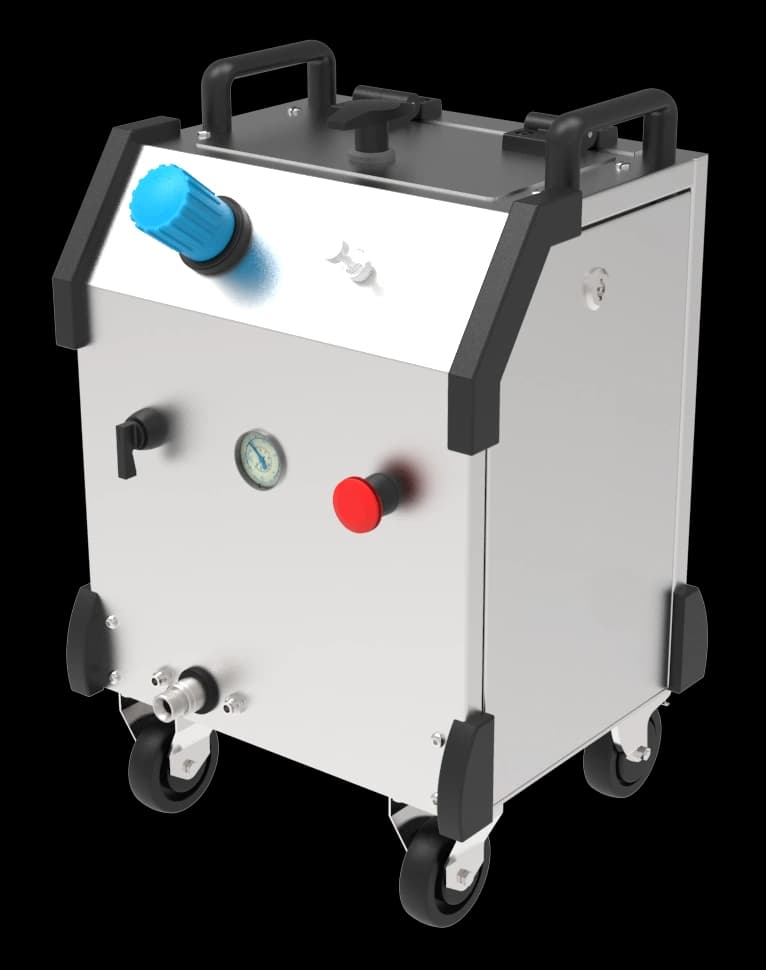
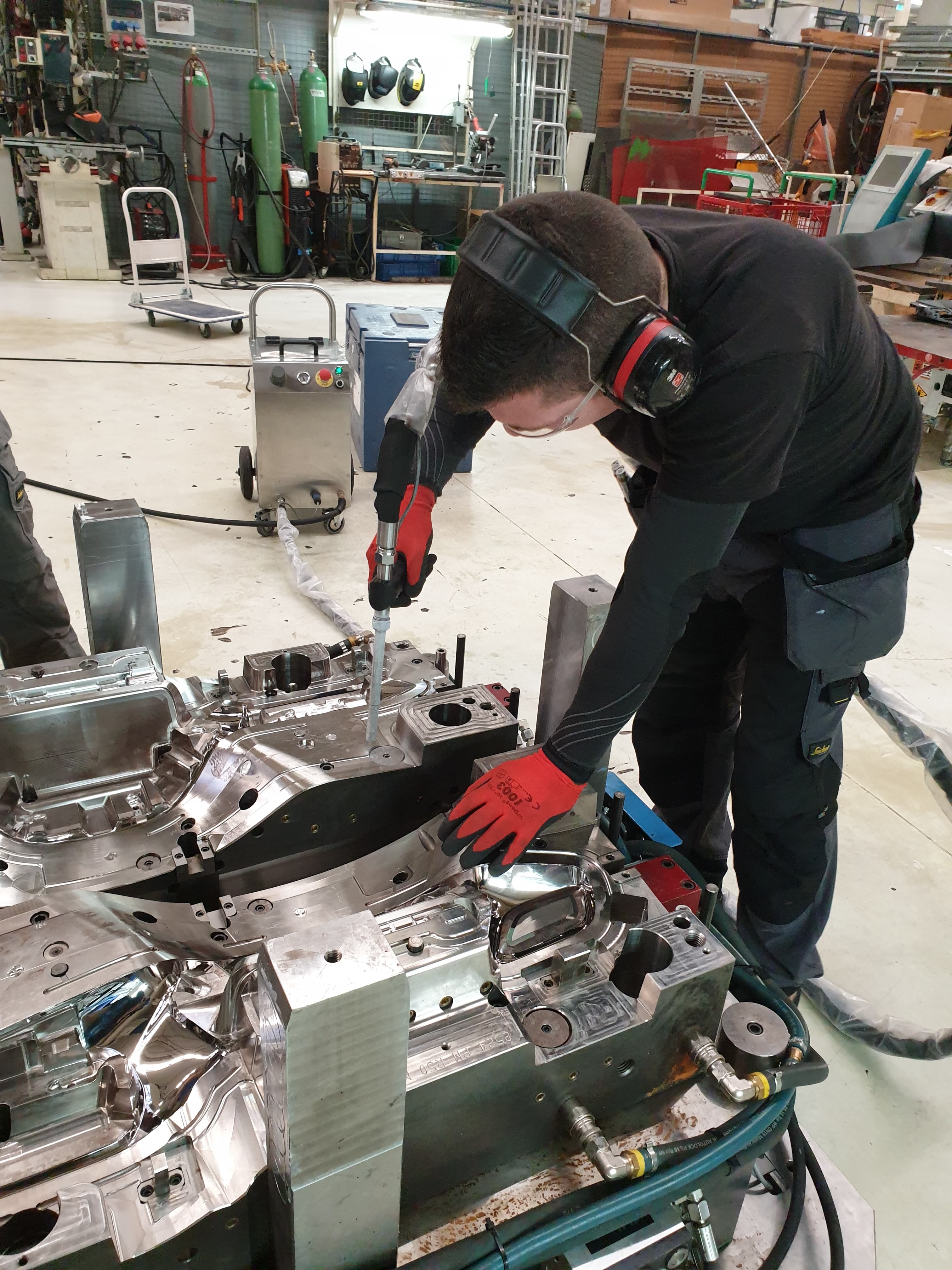
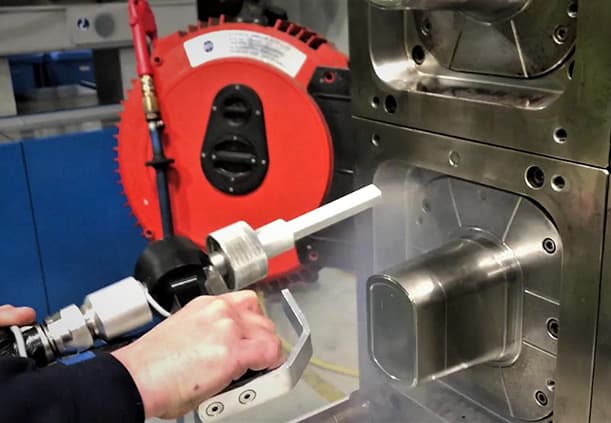
CO₂ pellets accelerated to high velocity flash-sublimate on impact. The thermal/acoustic micro-impulse shears brittle ash and dross off the surface without abrasive contact or moisture.
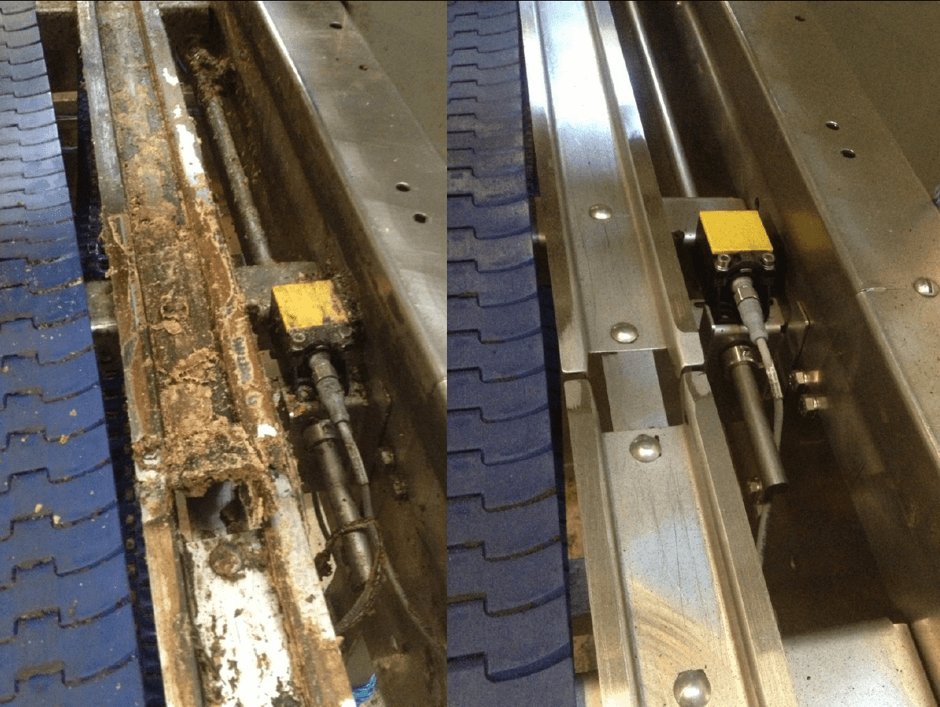
You preserve coating thickness, shorten touch-up, and keep the line moving. Less rework, safer floors, and faster fixture maintenance boost throughput and delivery reliability.
70–90 %
Less manual scraping time
0
Water or slurry generated
≤ 2 min
Typical clean per large part
3–5×
Faster fixture turnaround
0 µm
Coating removed when used correctly
$50–120k/yr
Rework & labor savings per line
Non-abrasive process preserves zinc thickness and appearance.
Treat hot parts and fixtures without cool-down or water permits.
Reduce hand touch-up and reject loops caused by coating damage.
No water, slurry, or grit—cut slip and corrosion hazards.
Restore hooks/jigs quickly to maintain uniform coating results.
Short, predictable cycles maintain takt at the outfeed.
Eliminate abrasives and solvent wipes; simplify disposal.
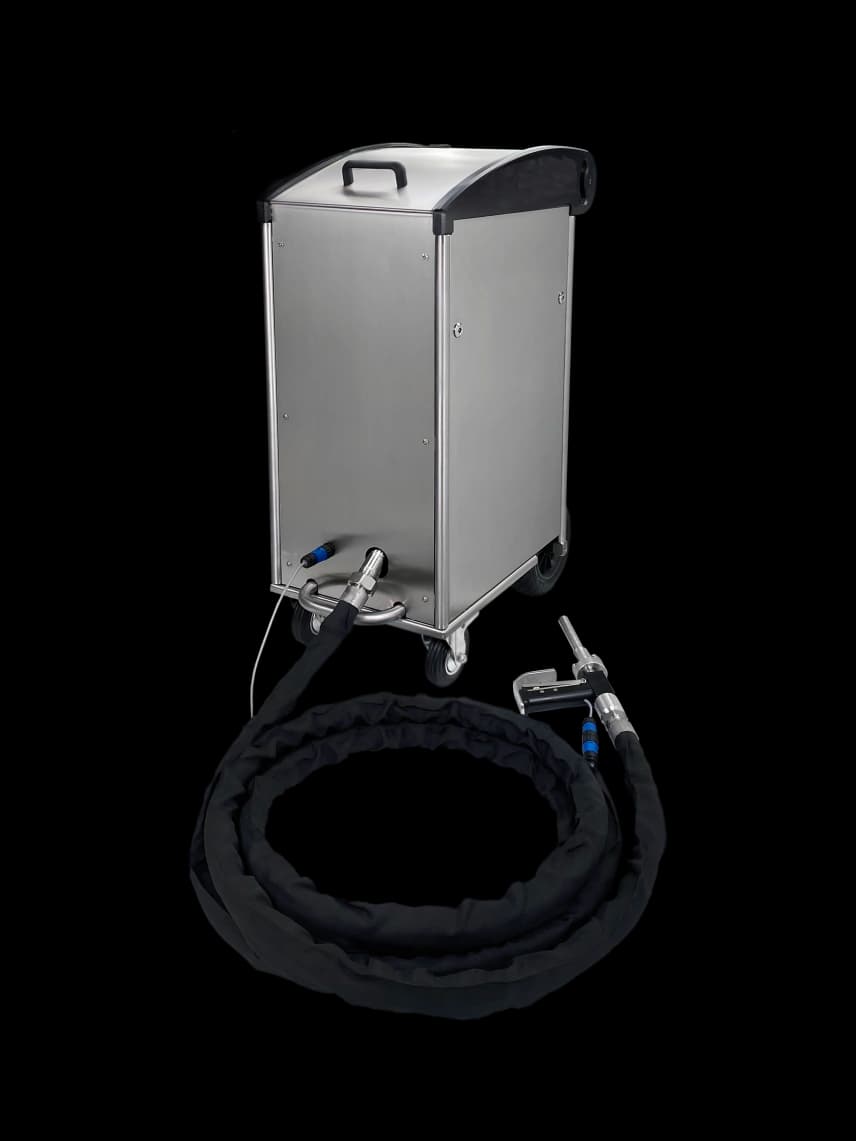
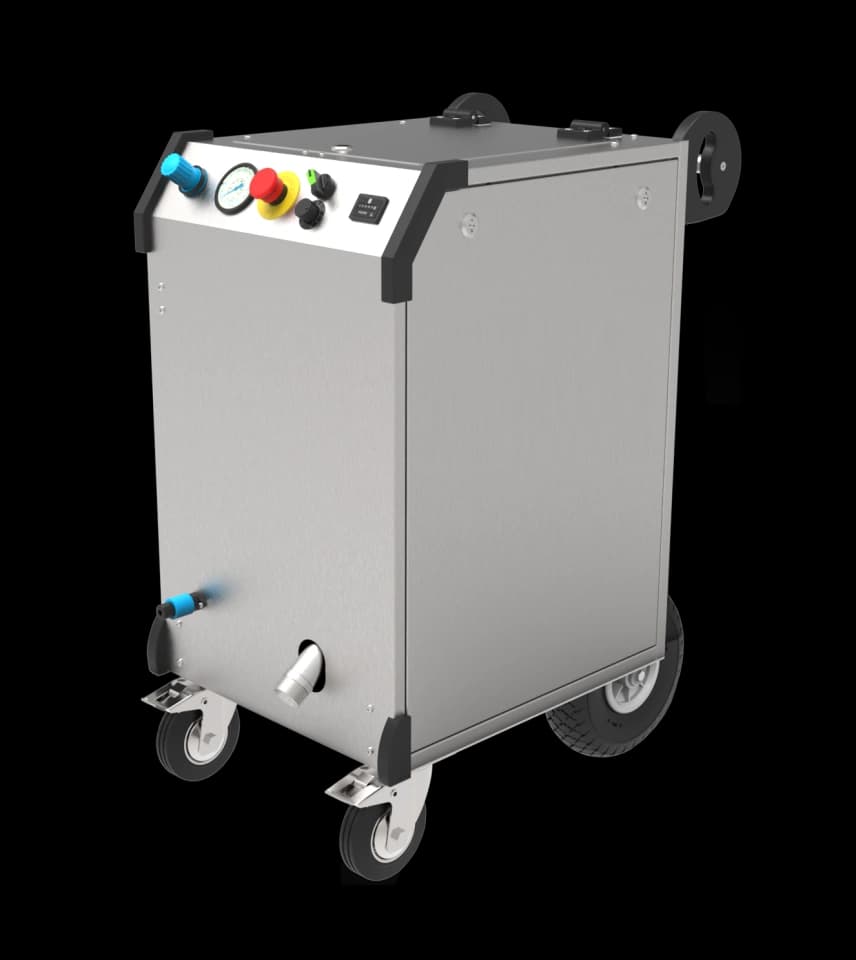
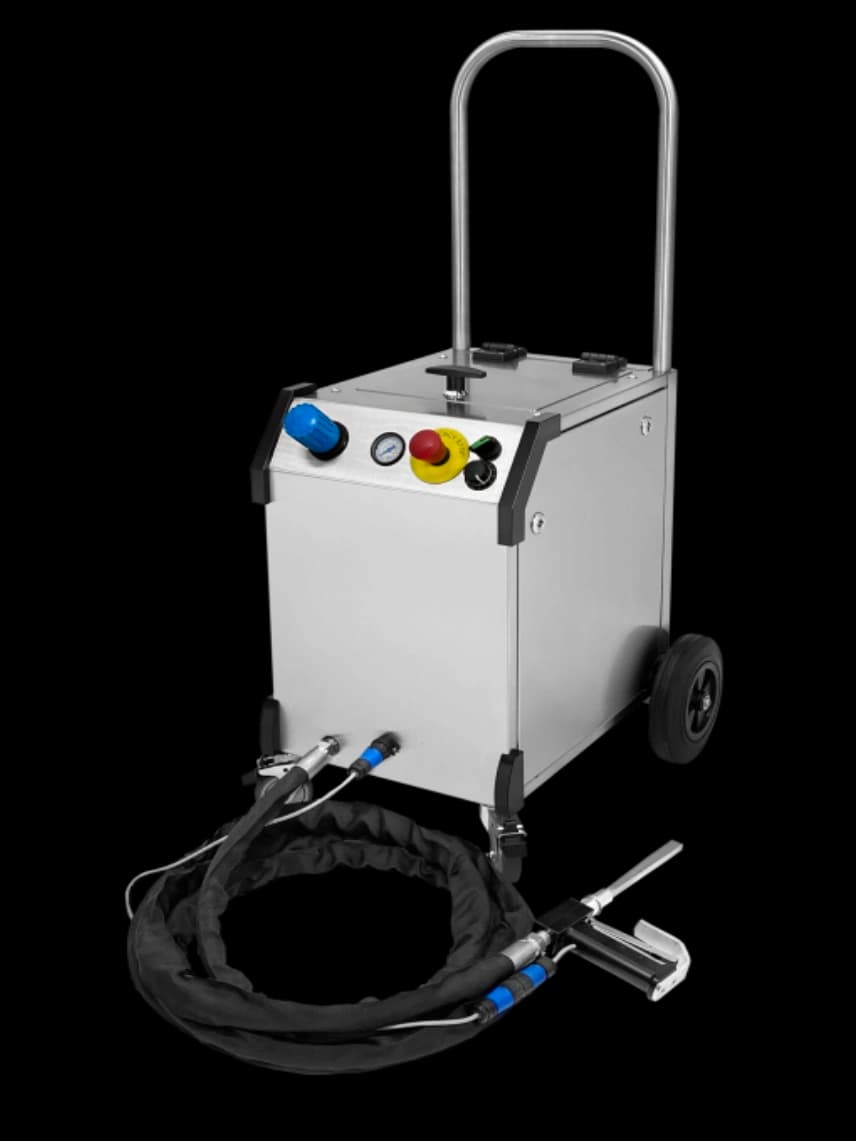
Portable units set up near kettle or packing with plant air.
This model estimates annual savings from downtime avoided, consumables reduced, and optional labor savings. It also shows annualized equipment cost, payback, and year-one ROI.
Range: 0–10000
Range: 0–24
Range: 0–100000
Range: 0–1000000
Total annual savings
$31,900
Net annual benefit
$22,967
Payback
9.4 months
ROI (Year 1)
128%
Downtime savings (annual)
$28,600
Consumable savings (annual)
$3,300
Labor savings (annual)
$0
Estimates only. For a formal model including utilities, logistics, and shift coverage, book a demo.
Set a small outfeed station and time ash removal on representative parts and fixtures.
Dial in nozzle/insert and airflow; estimate pellet use, labor delta, and coating rework avoided.
Stage a repeatable CO₂ clean before packing; extend to fixture maintenance by the kettle.
“We cut scraping to near zero and stopped marking the coating. Parts move straight to packing, and fixture resets are way faster.”

Caroline V.
Line Supervisor, Delta Galvanizing
Request a quick, no-obligation quote. We’ll size the right blaster/nozzles, estimate pellet usage, and outline payback for your line.