40–65 %
Faster turnarounds vs. wet wash
Industry
Non-conductive cleaning for safer, faster turnarounds
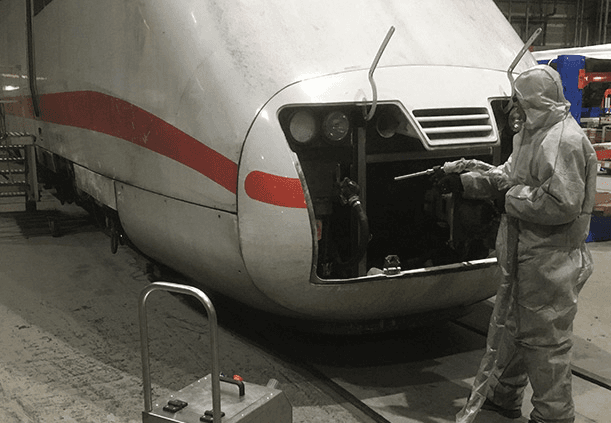
Fleet assets accumulate grease, brake dust, and debris that compromise reliability and cabin experience. Wet washing risks corrosion, trapped moisture, and extended drying windows.
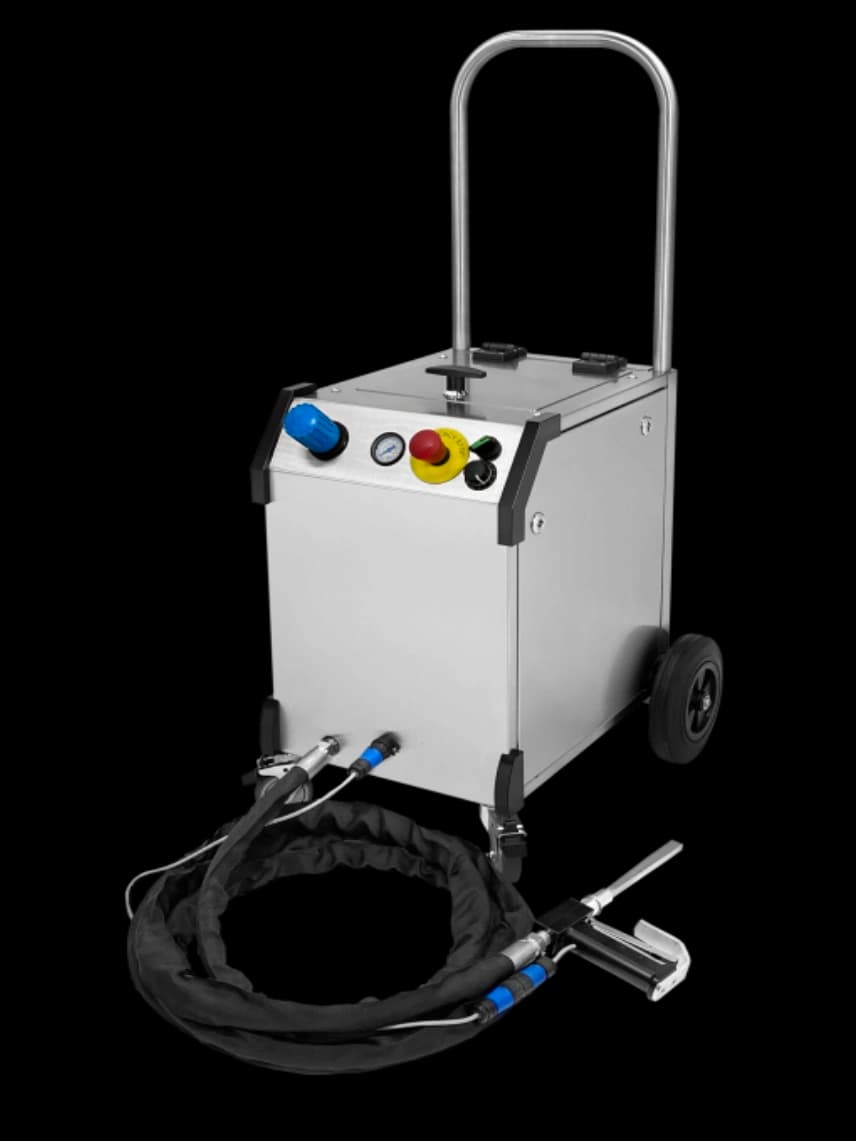
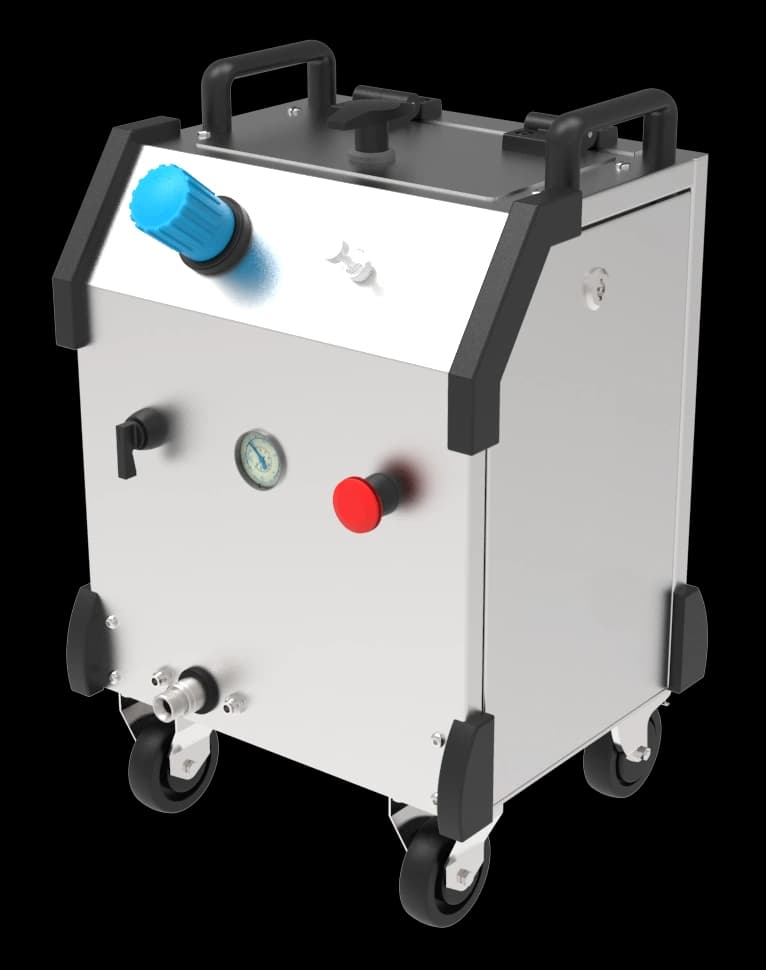
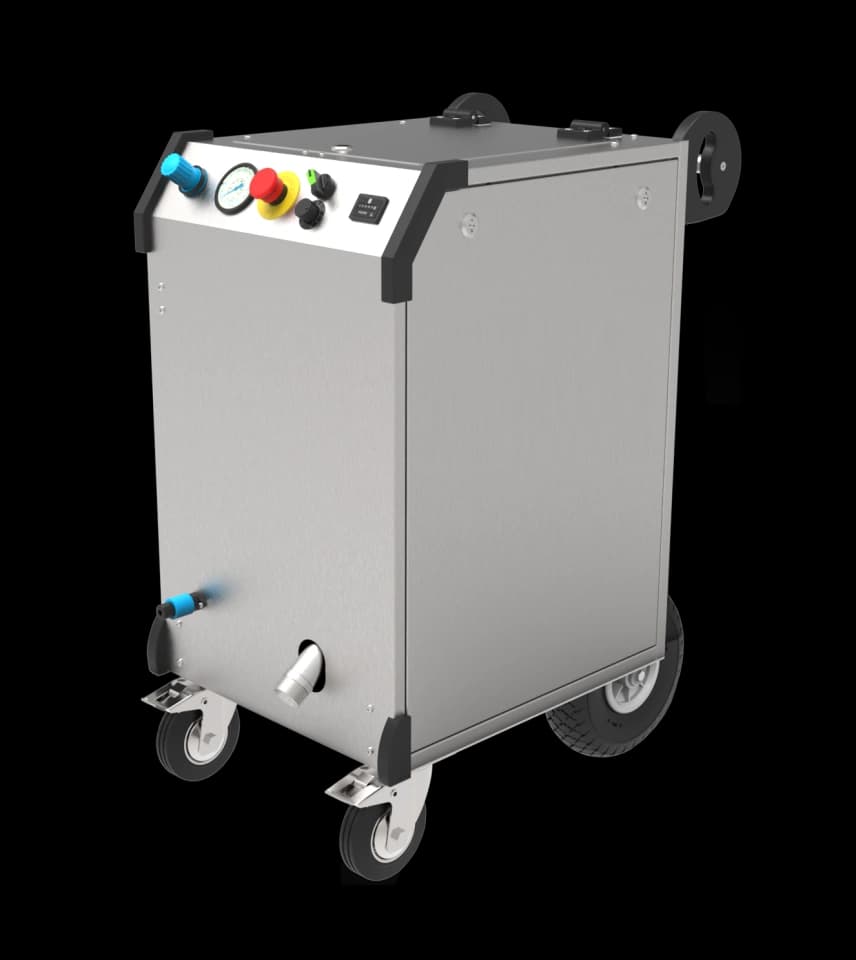
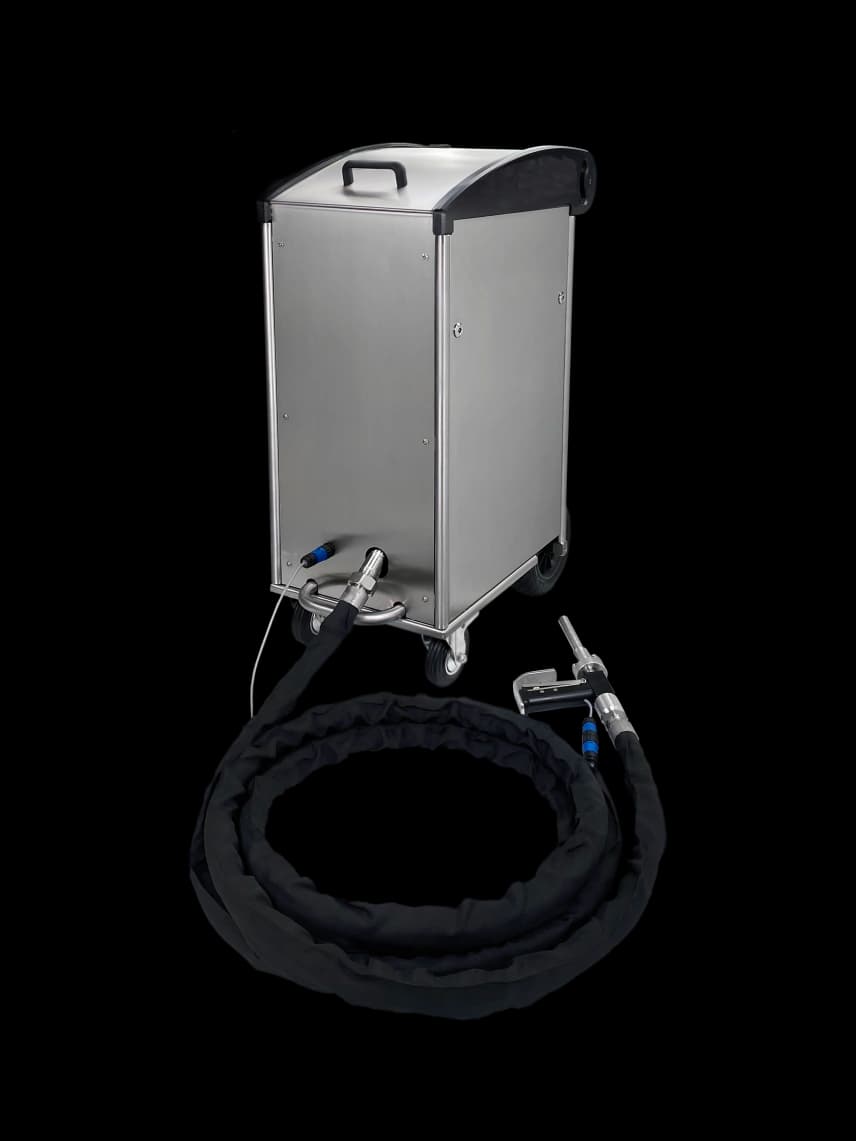
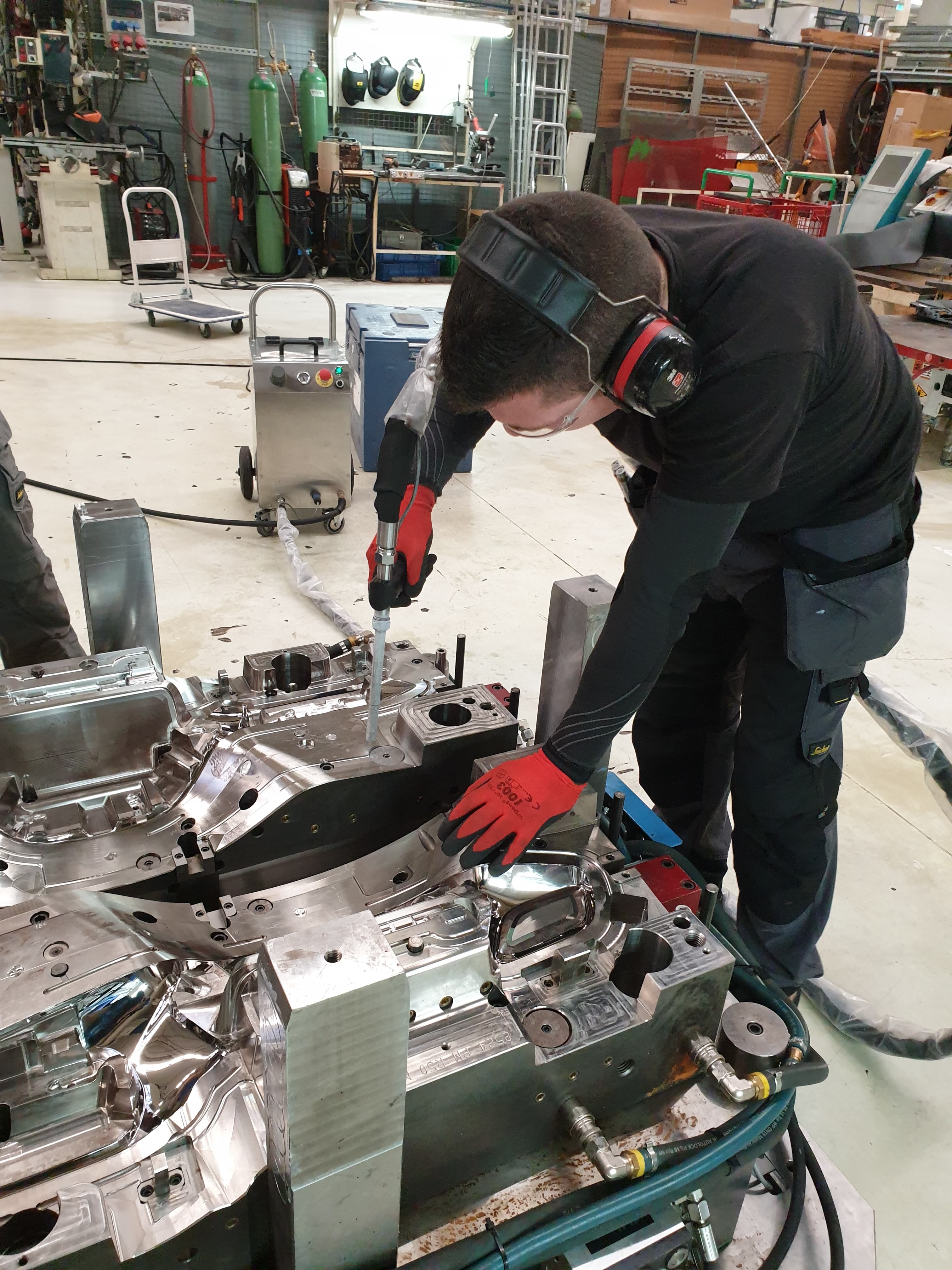
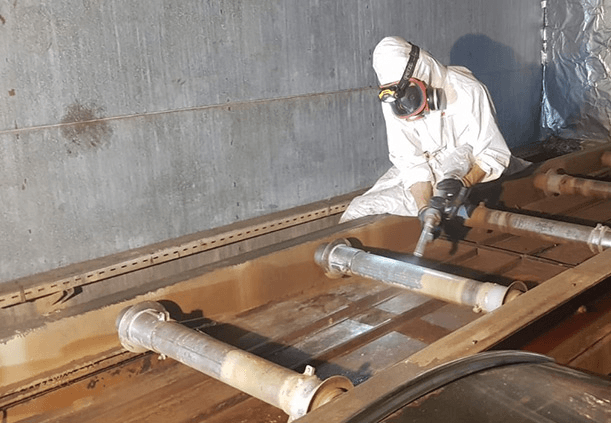
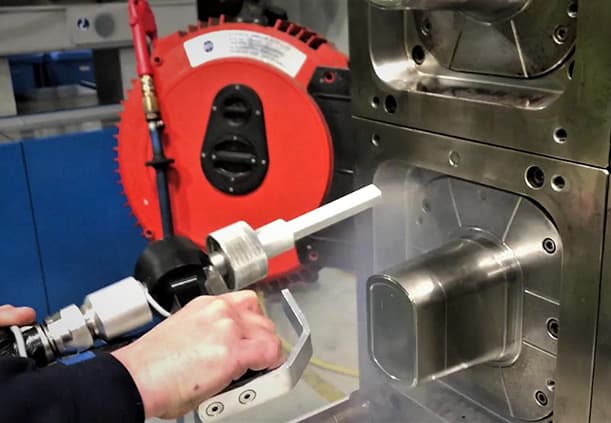
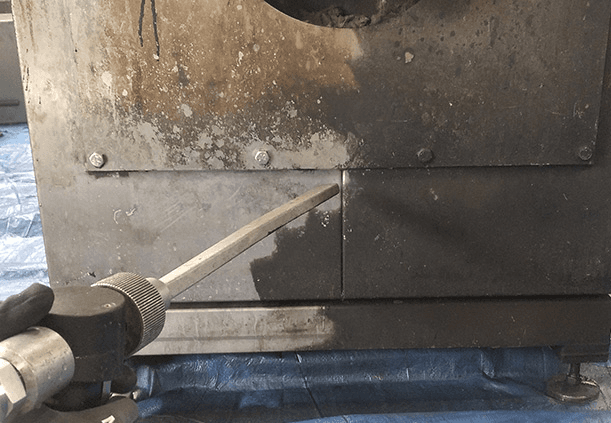
CO₂ pellets accelerate to high velocity and flash-sublimate on impact. The thermal/acoustic micro-impulse fractures soils and lifts them from metal, plastics, textiles, and wiring without moisture or conductive residue.
Systems and cabins return to service quickly. You lower fire and fault risk, improve air quality, and shorten maintenance windows with less consumable handling and cleanup.
40–65 %
Faster turnarounds vs. wet wash
0
Water or detergents introduced
15–25 min
Typical cab clean (bus)
2–4 h
Downtime avoided per consist/airframe
3–6 dB
Noise reduction in shop areas (no pressure washing)
$75–150k/yr
Labor & rework savings per depot
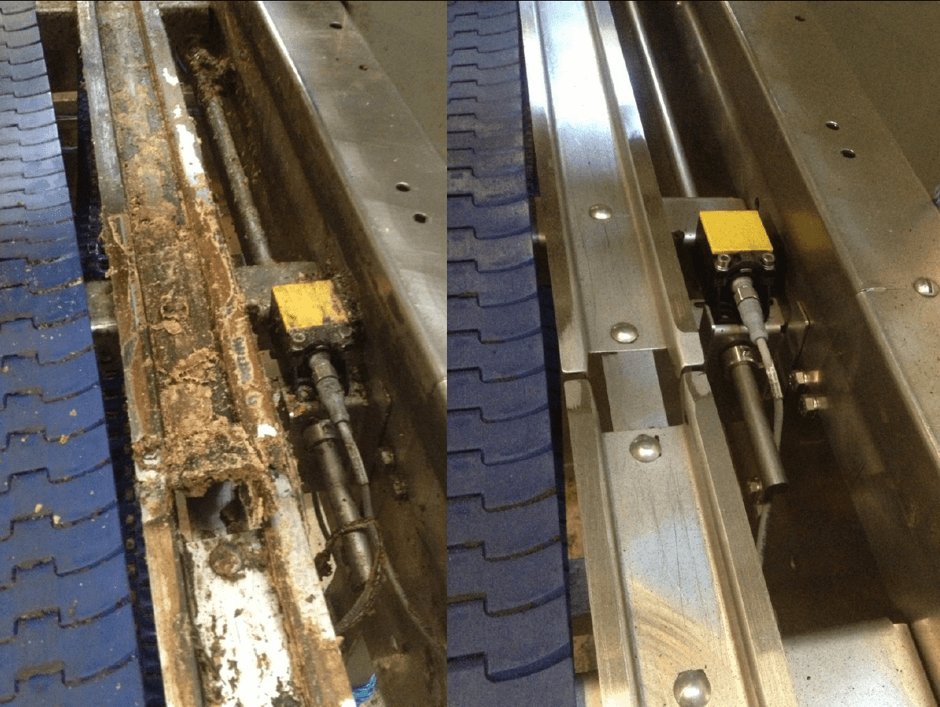
Safely clean panels, sensors, and harnesses without causing shorts.
No moisture—vehicles and cabins return to service right after cleaning.
Remove grease and lint from brakes, fans, and exhaust paths.
Restore HVAC performance and reduce odors without chemical residues.
Target soils in place; fewer covers and reassembly steps.
No slurry, wastewater, or grit disposal—CO₂ vaporizes on impact.
Short, repeatable procedures fit into existing maintenance windows.
Cut labor, consumables, rework, and corrosion-related repairs.
This model estimates annual savings from downtime avoided, consumables reduced, and optional labor savings. It also shows annualized equipment cost, payback, and year-one ROI.
Range: 0–10000
Range: 0–24
Range: 0–100000
Range: 0–1000000
Total annual savings
$52,140
Net annual benefit
$44,307
Payback
5.1 months
ROI (Year 1)
237%
Downtime savings (annual)
$46,200
Consumable savings (annual)
$5,940
Labor savings (annual)
$0
Estimates only. For a formal model including utilities, logistics, and shift coverage, book a demo.
Trial on a representative vehicle—panels, HVAC, floors, and undercarriage—to benchmark cycle time and finish.
Define targets, nozzle set, airflow, and intervals; estimate pellet usage and turnaround savings.
Integrate into routine maintenance windows, track downtime avoided, and refine SOP by asset class.
“We stopped pressure washing panels and waiting overnight to dry. Controls stay clean, cabins smell better, and buses roll out on time.”

Marisa D.
Maintenance Director, City Transit
Request a quick, no-obligation quote. We’ll size the right blaster/nozzles for cabins, panels, and undercarriages, and outline payback per depot.