40–60 %
Faster job completion vs. sanding/wash
Industry
Dry, chemical-free removal that preserves materials
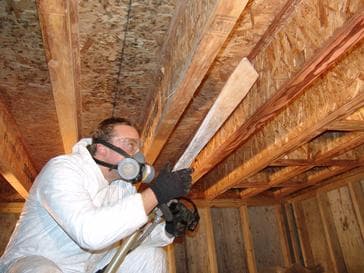
Floods, leaks, and high humidity drive mold growth that stains wood and penetrates porous surfaces. Wet washing soaks materials and extends dry-time; sanding spreads dust and still leaves discoloration.
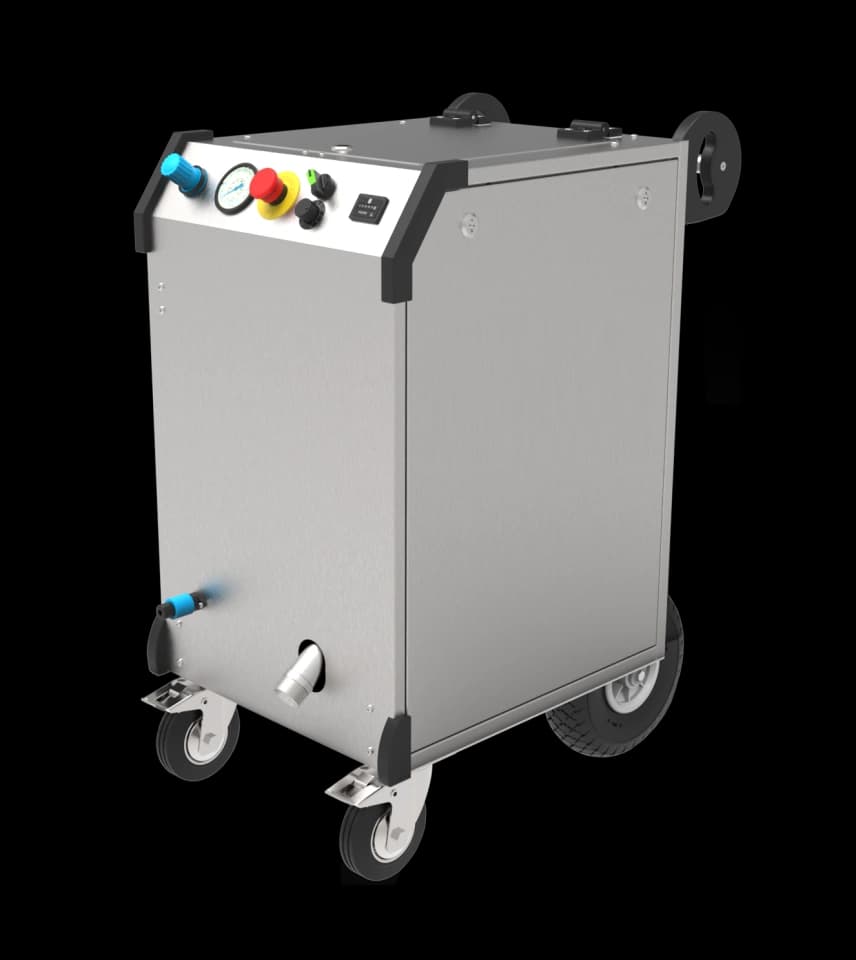
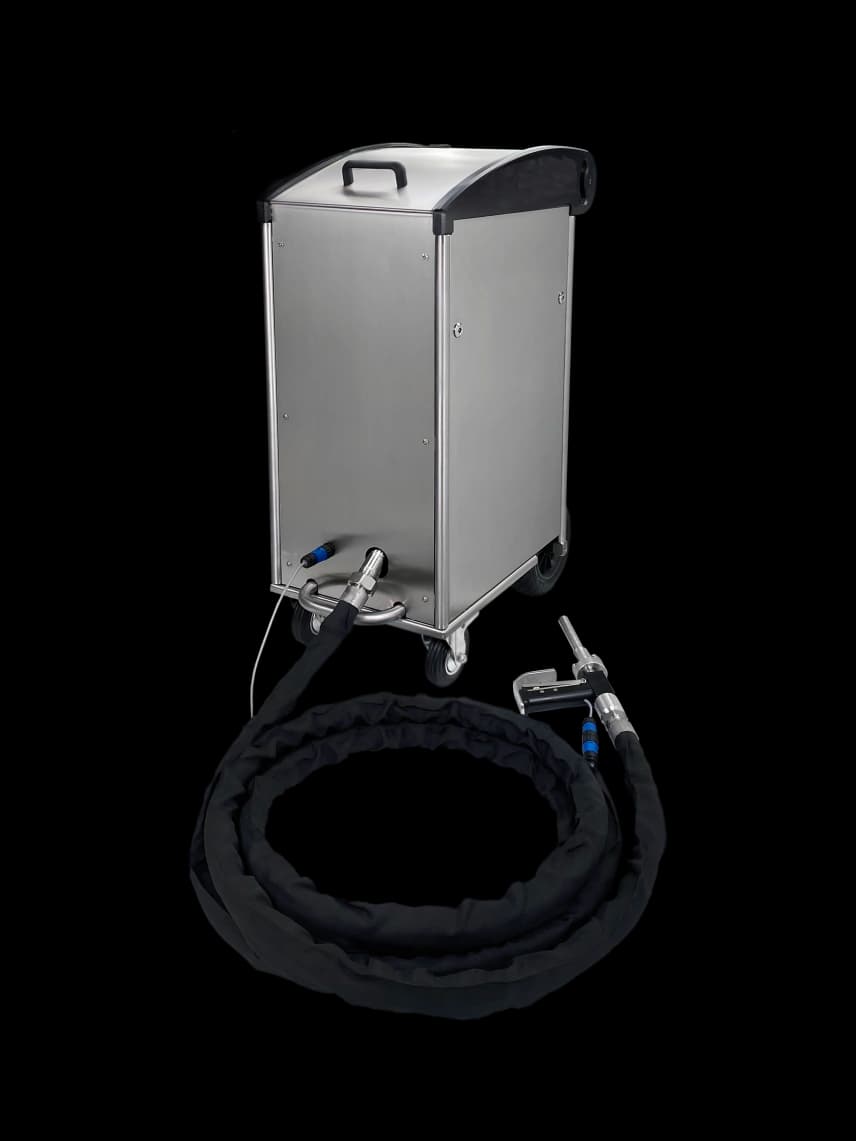
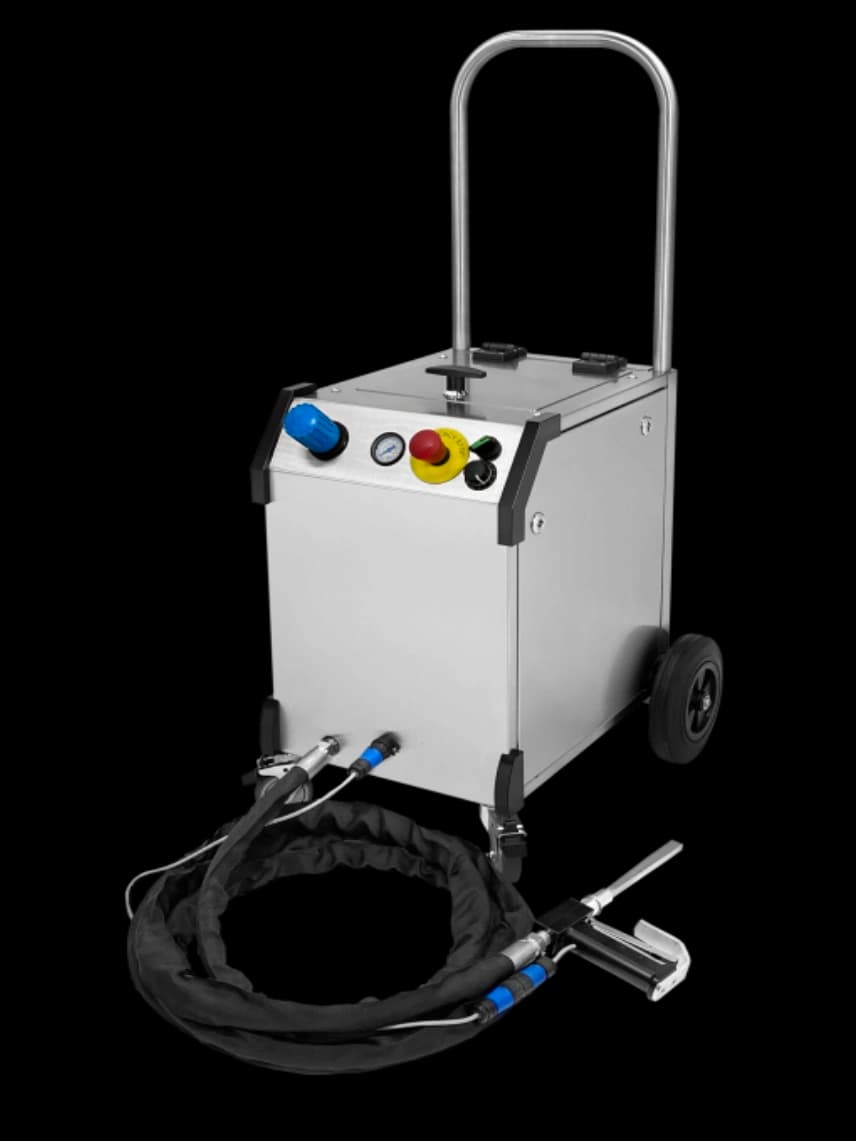
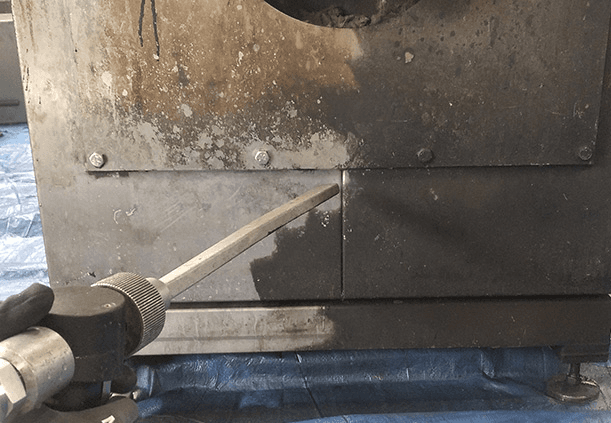
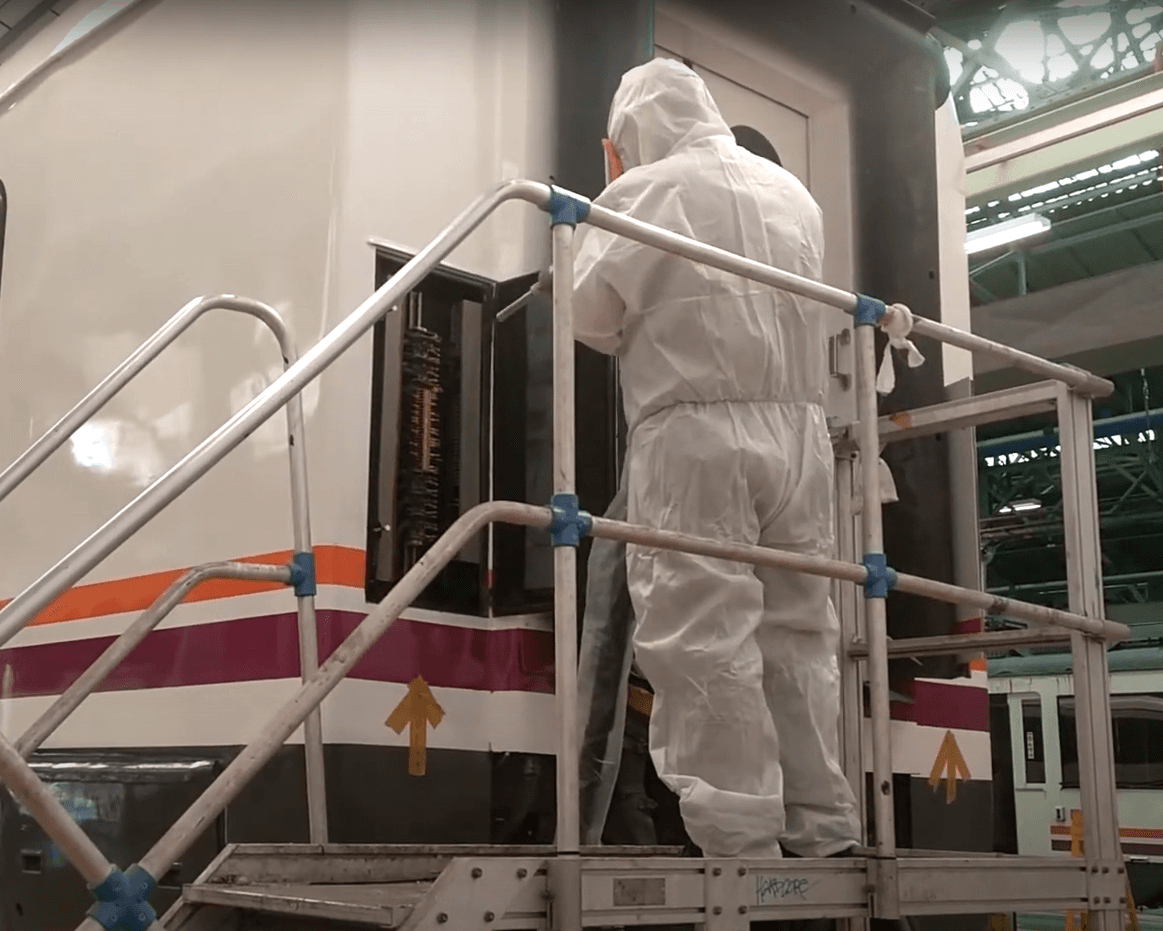
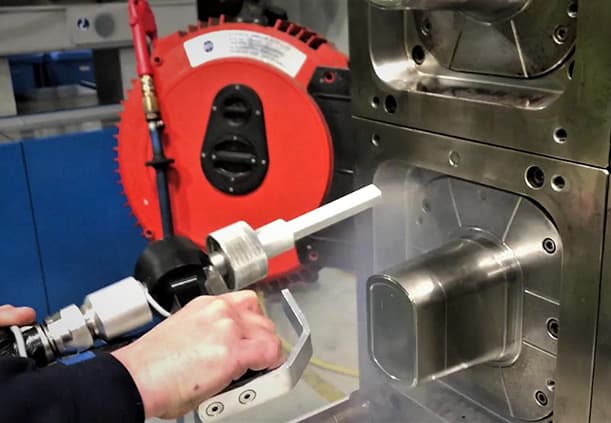
CO₂ pellets accelerate to high velocity and flash-sublimate on impact. The thermal/acoustic micro-impulse fractures colonies and lifts biofilm from substrates without abrasion, moisture, or chemicals.
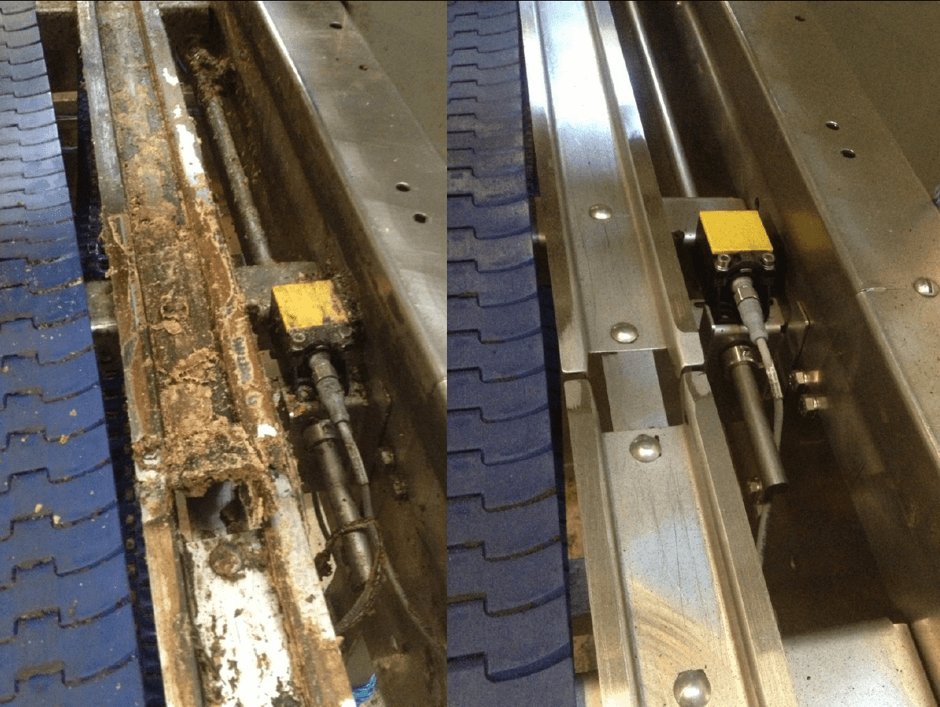
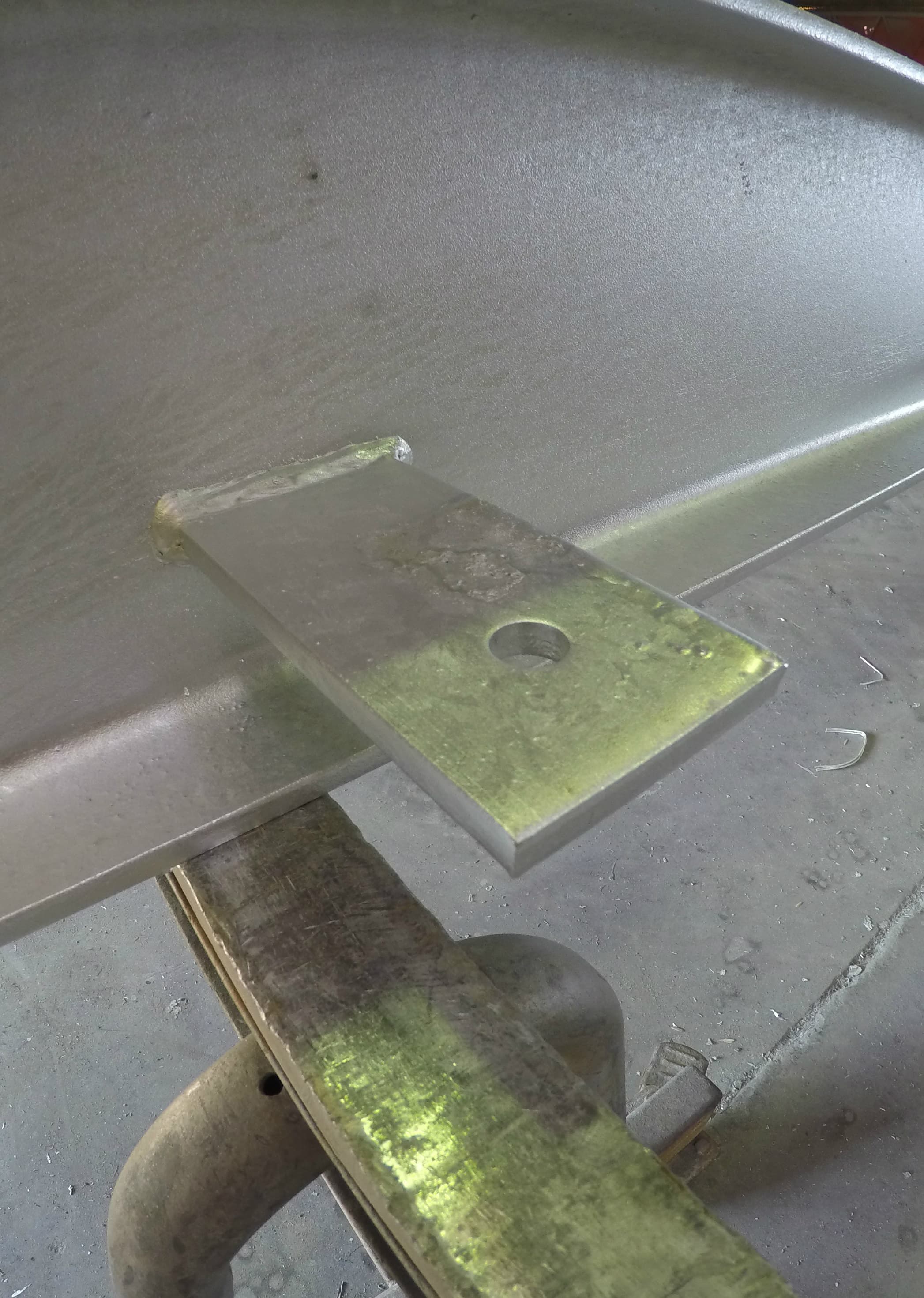
Surfaces are left dry and ready for encapsulant or rebuild. Crews finish faster, salvage more material, and minimize occupant disruption while reducing waste handling and corrosion risk.
40–60 %
Faster job completion vs. sanding/wash
0
Secondary waste or rinse water
–78 °C
Media temperature at impact
100 %
Dry surfaces after cleaning
1–2 h
Typical zone setup/teardown
$5–15k
Material/labor saved on large projects
Avoid re-wetting structures and long dry-times; move to rebuild sooner.
Preserve framing and decking; reduce costly replacement and landfill fees.
Access trusses, joist pockets, fasteners, and penetrations without aggressive sanding.
No slurry or grit to collect and dispose—CO₂ vaporizes on impact.
Dry, non-conductive process around panels, conduit, and equipment.
Return surfaces to sound substrate for better adhesion of encapsulants.
Shorter remediation windows support air sampling and turnover targets.
Cut consumables, disposal, labor, and schedule overruns across projects.
This model estimates annual savings from downtime avoided, consumables reduced, and optional labor savings. It also shows annualized equipment cost, payback, and year-one ROI.
Range: 0–10000
Range: 0–24
Range: 0–100000
Range: 0–1000000
Total annual savings
$79,200
Net annual benefit
$70,267
Payback
3.8 months
ROI (Year 1)
317%
Downtime savings (annual)
$72,000
Consumable savings (annual)
$7,200
Labor savings (annual)
$0
Estimates only. For a formal model including utilities, logistics, and shift coverage, book a demo.
Test a representative zone inside containment to confirm removal rate and finish quality.
Define media/nozzles, airflow, and sequence; estimate pellet usage and schedule savings.
Run dry-ice cleaning, apply encapsulant where required, and document results for clearance.
“Dry-ice cleaning cut our schedule nearly in half and saved most of the roof framing. Containment stayed clean with no wet waste to manage.”

Luis G.
Project Manager, North Shore Remediation
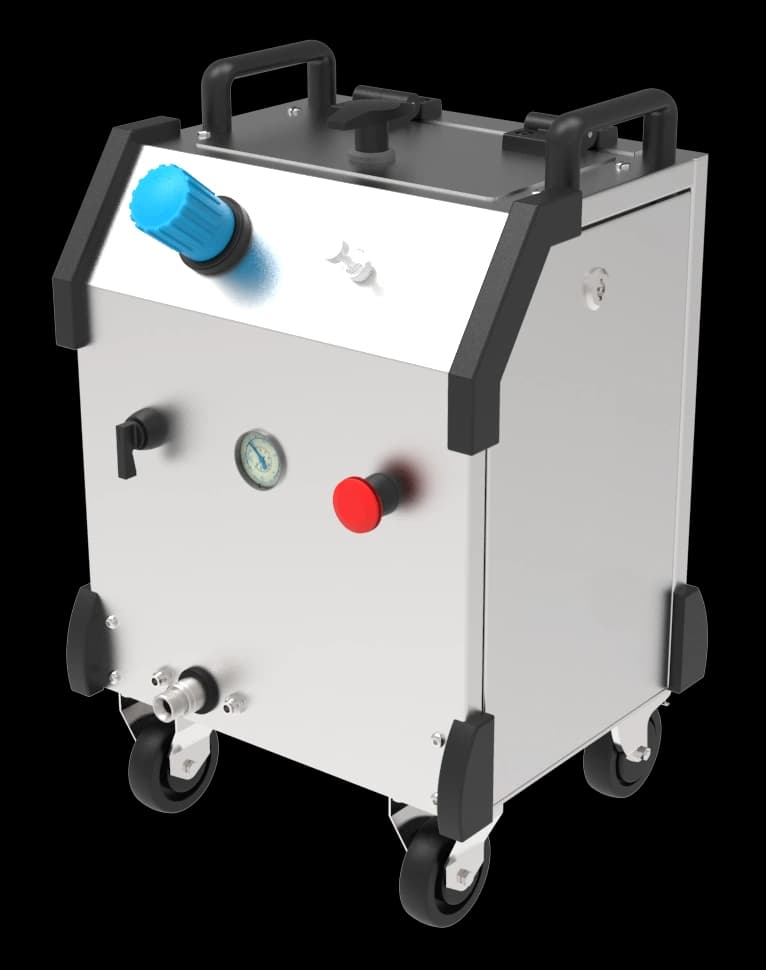
Request a quick, no-obligation quote. We’ll size the right blaster/nozzles, estimate pellet usage, and outline payback across your job mix.